Looking for a steady job with real growth potential and solid benefits?
Food packaging jobs are hiring in 2026 — with competitive pay and room to move up!
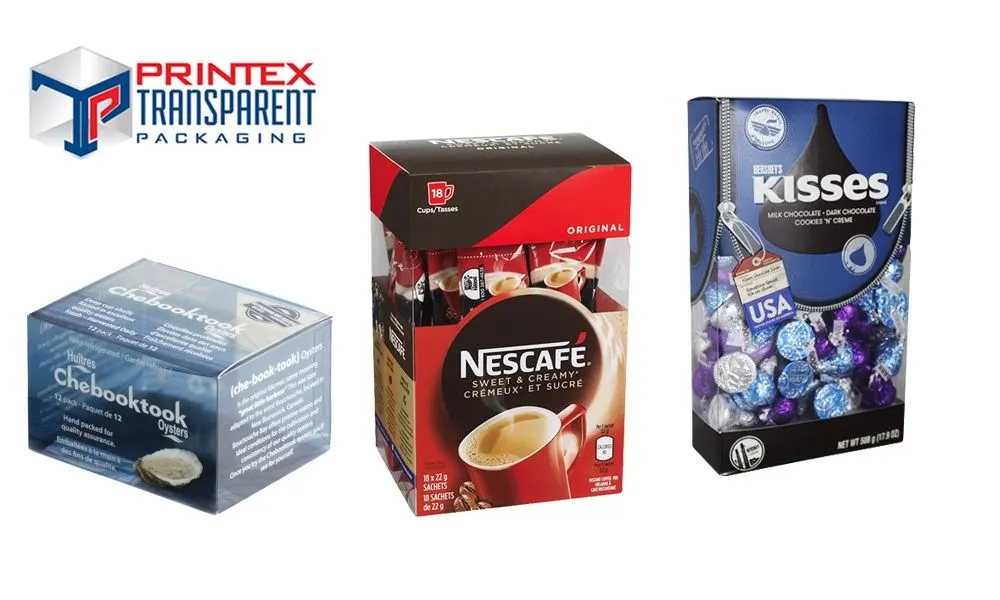
Food packaging jobs offer stable, hands-on work across a sector that never slows down. Whether you're sealing containers on a production line, operating automated machinery, or overseeing quality checks before products ship, these roles are in demand year-round. Pay and responsibilities vary by employer and location, but entry-level positions are widely accessible, and experienced workers can move into supervisory and technical roles.
You will be directed to an external job search website
Working in food packaging comes with a range of practical benefits:
- Steady, year-round demand with consistent hours
- Entry-level positions that require no prior degree
- On-the-job training provided by most employers
- Opportunities to advance into supervisory and quality control roles
- Health, dental, and vision benefits at many employers
- Full-time, part-time, and shift-based schedules to fit different lifestyles
You will be directed to an external job search website
What food packaging jobs involve
Food packaging workers prepare, fill, seal, label, and inspect food products before they reach store shelves. The work happens in manufacturing plants, processing facilities, and distribution centers, and it tends to be physically active. Depending on the employer, you might operate packaging machinery, monitor production lines for defects, or pack finished goods into boxes for shipping.
Most entry-level roles require no formal degree. Employers typically look for reliability, the ability to stand for long shifts, and a basic understanding of food safety practices. Many facilities provide paid training when you start.
Common job titles in food packaging
The industry uses several different job titles depending on the specific function:
- Packaging line operator: runs and monitors automated packaging equipment, watching for jams or quality issues during production
- Food packer or assembler: manually fills, wraps, or seals products, often on a fast-moving line
- Quality control inspector: checks packaged products against weight, labeling, and appearance standards before they leave the facility
- Forklift operator: moves pallets of raw materials and finished goods throughout the warehouse or production floor
- Packaging supervisor or team lead: oversees a shift or a section of the production line, coordinates output, and handles staffing issues
What employers look for
Hiring managers in food packaging consistently list a few core requirements. Physical stamina matters because most roles involve standing, lifting, and repetitive motion throughout a full shift. Attention to detail is equally important since mislabeled or improperly sealed products can create real safety problems. Familiarity with Good Manufacturing Practices (GMP) and basic food safety rules is a plus, though most employers will train you on their specific procedures.
For higher-level roles like quality control technician or maintenance mechanic, some employers ask for a technical certification or community college coursework in food science or industrial maintenance.
Pay and hours in 2026
Pay varies by region, employer size, and the specific role. Entry-level packer and line operator positions at major food manufacturers generally start between $15 and $20 per hour in the United States, with experienced operators and team leads earning $22 to $30 or more. Many facilities run 24-hour operations, which means overtime and night-shift premiums are common. Those extra hours can add up fast for workers willing to take them.
Larger employers such as Kraft Heinz, Conagra Brands, and Tyson Foods post openings regularly on their corporate careers pages and on general job boards. Staffing agencies that specialize in manufacturing and food production are another reliable way to get a foot in the door quickly.
How to apply for food packaging jobs
Most employers accept online applications through their careers pages or through job boards like Indeed, LinkedIn, and ZipRecruiter. For entry-level roles, a resume is helpful but not always required. You will typically fill out an online form covering your work history, availability, and any relevant certifications.
Here is a practical approach:
- Search job boards using terms like "food packaging operator," "production line worker," or "food packer" along with your city or ZIP code.
- Check the careers pages of major food manufacturers in your area directly.
- Contact local staffing agencies that place workers in food and beverage manufacturing.
- Prepare for a brief phone screen or in-person interview focused on your availability, physical readiness for the work, and any prior manufacturing experience.
Some facilities conduct a facility tour as part of the hiring process so you can see the environment before you accept an offer. Take that opportunity seriously. Production floors can be loud, cold (especially in refrigerated packing areas), or warm depending on the product, and it helps to know what you're walking into.
Advancing your career in food packaging
Starting on a packaging line does not mean staying there. Workers who show up consistently, learn the machinery, and understand food safety standards often move into team lead or supervisor roles within one to three years. From there, paths open toward production management, quality assurance coordination, and operations planning. Some employers also support continuing education, covering costs for food science or supply chain coursework that can lead to roles outside the plant floor entirely.
What qualifications do I need for a food packaging job?
Most entry-level positions require no formal degree. Employers generally look for reliability, physical stamina, and a willingness to follow food safety procedures. Many will train you on their specific equipment and processes when you start.
How much do food packaging jobs pay in 2026?
Entry-level packer and line operator roles in the United States typically start between $15 and $20 per hour. Experienced operators, quality control inspectors, and team leads often earn $22 to $30 or more, depending on the employer and location. Night shifts and overtime can increase take-home pay significantly.
Are food packaging jobs full-time or part-time?
Both options exist. Large food manufacturing facilities often run around the clock and hire for day, evening, and overnight shifts. Part-time and seasonal positions are also common, particularly at facilities with variable production schedules.
Do I need a resume to apply?
For entry-level and hourly roles, a resume is helpful but usually not required. Most employers ask you to complete an online application covering your work history and availability. Corporate, quality assurance, and supervisory roles typically do require a resume.
Can I get a food packaging job through a staffing agency?
Yes. Staffing agencies that specialize in food and beverage manufacturing are one of the fastest ways to get placed. They often work directly with facilities that need workers quickly, and a temp-to-hire arrangement can lead to a permanent offer.
Are there opportunities for career advancement in food packaging?
Definitely. Workers who learn the machinery, build a reliable attendance record, and understand food safety standards often move into team lead or supervisor roles within a few years. From there, paths open into production management, quality assurance, and operations roles.
Food packaging is one of the more accessible entry points into manufacturing, and the jobs are genuinely there. The industry feeds a steady supply of openings because demand for packaged food does not go away, and turnover in production environments creates regular opportunities even when the economy slows.
If you're ready to apply, start with the careers pages of major food companies in your region, check staffing agencies that focus on food and beverage manufacturing, and set up job alerts on the main job boards so you hear about new postings right away.
Browse current food packaging job openings and take the next step in your career today.
You will be directed to an external job search website