Looking for flexible work with steady pay and room to grow?
House cleaner jobs are hiring now — earn competitive hourly pay with no degree required!
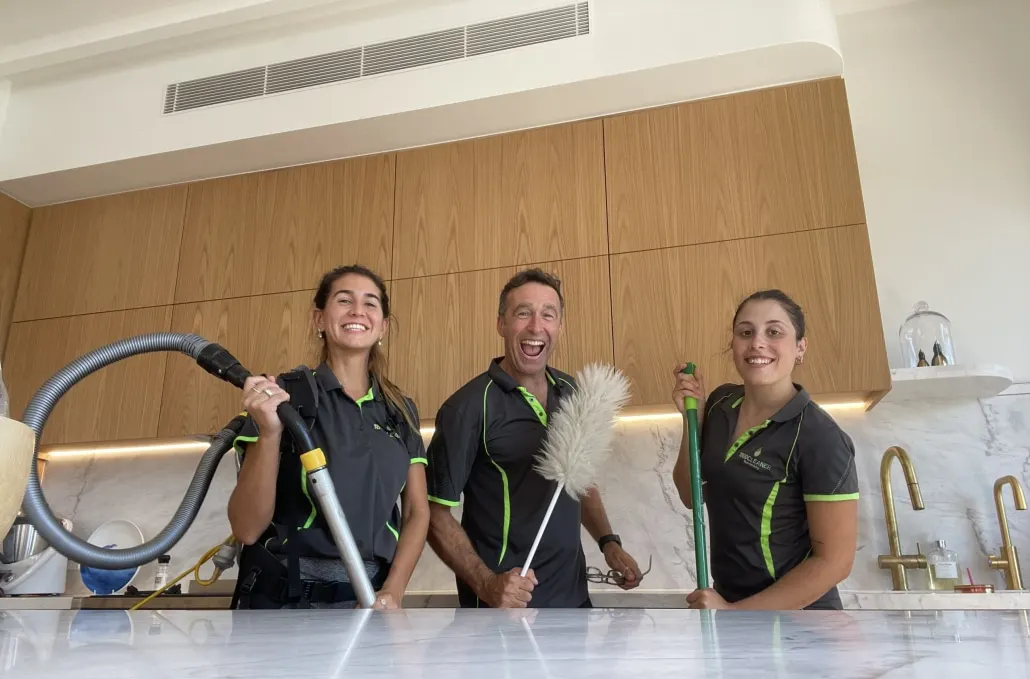
House cleaner jobs are a practical entry point into the workforce — and a steady career path for those who stick with it. Pay varies by employer, location, and experience, but many positions start between $15 and $20 per hour, with experienced cleaners and team leads earning more. Some employers also offer health benefits, paid time off, and mileage reimbursement.
You will be redirected to Indeed's job listings page
Working as a house cleaner comes with several practical benefits:
- Competitive hourly pay, with tips common in residential cleaning
- Flexible scheduling, including part-time and full-time options
- No college degree or prior experience required for most entry-level roles
- Physical, active work with variety — no two homes are the same
- Opportunities to move into team lead or supervisory roles
You will be redirected to Indeed's job listings page
What house cleaner jobs involve
House cleaners work in private homes, apartments, vacation rentals, and sometimes small offices, keeping spaces clean and organized for clients. The work is physical and hands-on: vacuuming, mopping, dusting, scrubbing bathrooms and kitchens, changing linens, and sometimes doing laundry. Most positions require reliable transportation, a good eye for detail, and the ability to work independently or as part of a small crew.
Some employers provide all cleaning supplies and equipment. Others expect you to bring your own. It's worth checking before you accept an offer.
Types of house cleaner jobs
Not all cleaning jobs look the same. Here are the most common formats you'll find in 2026:
- Residential cleaning company employee: You're hired by a company like Molly Maid, The Maids, or a local outfit, assigned to client homes on a set schedule, and paid an hourly wage. Benefits like health insurance and paid time off are more common here than in other arrangements.
- Independent contractor: You find your own clients, set your own rates, and keep all the revenue. The tradeoff is that you handle your own taxes, scheduling, and supplies. Many experienced cleaners go this route once they've built a client base.
- Platform-based gig work: Apps like Handy connect cleaners with clients on a job-by-job basis. Pay per job can be higher, but work is less predictable.
- Vacation rental and Airbnb turnover cleaning: High demand, fast-paced, and often paid per property rather than per hour. Turnovers can pay well because speed matters to hosts.
- Specialty and deep cleaning: Move-in/move-out cleans, post-construction cleanup, and hoarding cleanup tend to pay more than routine maintenance cleaning.
What employers look for
Most residential cleaning jobs don't require a resume or formal education. What employers and clients actually care about:
- Reliability and punctuality (this comes up in almost every job listing)
- Attention to detail
- Trustworthiness, since you're working in someone's home
- Physical stamina for a full day of active work
- Basic English communication skills for client interaction
- A valid driver's license and reliable transportation in most markets
Background checks are standard across the industry. Many employers run them before your first assignment.
Pay and earning potential
Entry-level house cleaners in the U.S. typically earn between $15 and $20 per hour as of 2026, depending on the market. Cleaners in high-cost cities like New York, San Francisco, or Boston often earn $22 to $30 per hour. Independent cleaners who set their own rates can charge $25 to $50 per hour or more, especially for specialty work.
Tips are common in residential cleaning and can add meaningfully to weekly earnings. Some clients tip per visit; others give larger tips at holidays.
How to find house cleaner jobs
There are several practical ways to find openings:
- Job boards like Indeed, ZipRecruiter, and Glassdoor list openings from cleaning companies and private households every day.
- Platforms like Handy, TaskRabbit, and Amazon Home Services connect independent cleaners with clients directly.
- Local Facebook groups and Nextdoor are surprisingly effective, especially for independent work.
- Staffing agencies sometimes place cleaners in temporary or permanent residential roles.
- Reaching out directly to local cleaning companies is still one of the fastest ways to get hired.
Career growth in cleaning
Starting as a house cleaner doesn't mean staying there. Many cleaning company employees move into team lead roles within a year or two, overseeing a small crew of two to four cleaners. From there, experienced workers sometimes become trainers, operations coordinators, or branch managers. Others use their savings and client relationships to launch their own cleaning businesses.
Do I need experience to get hired as a house cleaner?
Most entry-level positions don't require prior cleaning experience. Employers typically care more about reliability, attention to detail, and a clean background check. Some companies offer paid training before your first assignment.
What does a house cleaner typically earn per hour?
In the U.S., most house cleaners earn between $15 and $20 per hour at the entry level as of 2026. Experienced cleaners, team leads, and independent cleaners in high-cost cities can earn $22 to $30 or more per hour. Tips from clients can add to that total.
Are house cleaner jobs full-time or part-time?
Both options exist. Cleaning companies often offer full-time schedules with set client routes. Part-time and flexible schedules are also common, making this work appealing for people managing other commitments.
Will I need to pass a background check?
Yes, in most cases. Background checks are standard in the residential cleaning industry because cleaners work inside clients' homes. The process is usually quick and straightforward.
Do I need my own supplies and equipment?
It depends on the employer. Many cleaning companies supply everything you need. Independent contractors and gig-platform workers typically purchase their own supplies. Always confirm this before accepting a position.
Can I start my own cleaning business after working for a company?
Yes, and many cleaners do exactly that. Working for an established company first gives you hands-on experience, helps you build references, and teaches you how operations run. Some cleaners transition to independent work within one to two years.
House cleaner jobs are available in nearly every city and town, hire quickly, and pay without requiring years of training or a degree. Whether you want part-time work to supplement another income or a full-time position with benefits and a growth track, there are options worth exploring.
Browse current house cleaner job listings on Indeed to see what's open in your area today.
You will be redirected to Indeed's job listings page