House Cleaner Job Openings: earn between $15 and $20+ per hour — no degree required!
House Cleaner Jobs Hiring Now: Browse Open Positions Near You
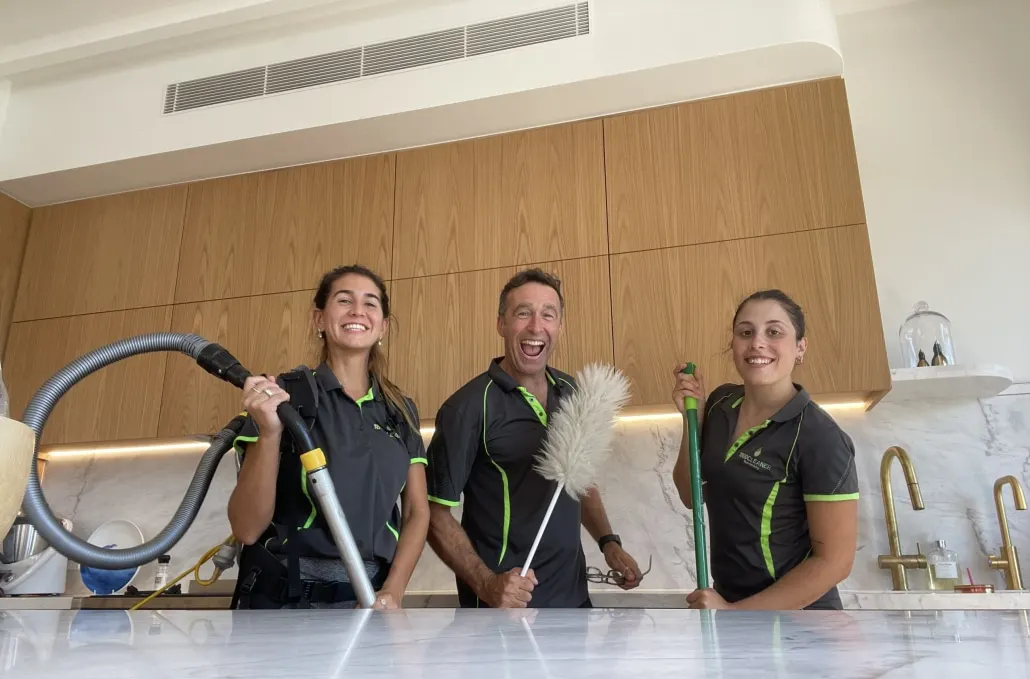
You've seen what house cleaner jobs pay and what they can lead to. Now it's time to find the actual openings. Positions are available with residential cleaning services, commercial cleaning companies, and private households across the country — many hiring immediately for full-time, part-time, and weekend shifts.
House Cleaner Jobs Hiring Now
Find open positions near you and apply today.
House cleaner jobs are more than a starting point. For a lot of people, they become a long-term career with real earning potential, a flexible schedule that fits around family or school, and — with the right employer — a path into team lead or supervisory roles.
Why house cleaning jobs are worth a serious look
The barrier to entry is low, but that doesn't mean the work is low value. Skilled, reliable cleaners are genuinely hard to find, which gives experienced workers real leverage when negotiating pay or choosing where to work.
A few things that make these roles appealing right now:
- Pay typically starts between $15 and $20 per hour, with experienced cleaners and leads earning more
- Many employers offer flexible scheduling, including evenings and weekends
- Some positions come with health benefits, paid time off, and mileage reimbursement
- No degree or formal credential is required — most employers train on the job
- Demand is steady: residential and commercial cleaning is not a sector that disappears in a slow economy
What employers are actually looking for
Most job listings for house cleaners ask for roughly the same things: reliability, attention to detail, the ability to work independently, and a clean background check. Physical stamina matters too — this is active work. Prior cleaning experience helps, but plenty of employers will hire without it and train you themselves.
If you're applying to a company rather than a private household, expect a short phone screen followed by an in-person or video interview. Some employers ask you to complete a trial clean before a formal offer.
Types of house cleaner positions available
Residential cleaner
The most common opening. You clean private homes — kitchens, bathrooms, bedrooms, living areas — usually on a recurring schedule (weekly, biweekly, or monthly). Some clients are one-time deep cleans; others become long-term regulars.
Commercial/office cleaner
Similar tasks but in office buildings, retail spaces, or common areas in apartment complexes. These roles often run early morning or evening to avoid interrupting the workday.
Move-in / move-out cleaner
Focused, intensive cleans between tenants or before a new homeowner takes possession. Usually one-time jobs, but busy seasons (summer, end of month) bring a lot of volume.
Team lead / supervisor
Once you have a year or two of cleaning experience, team lead roles become available. You manage a small crew, handle scheduling, and sometimes do quality checks rather than full cleans yourself. Pay is higher, usually $20 to $28 per hour depending on the employer and location.
What benefits look like in this field
Benefits vary a lot depending on whether you work for a large cleaning company, a small local service, or a private employer. Here's a realistic picture:
- Health insurance: Larger companies (think national franchise cleaning services) often offer medical coverage for full-time employees. Smaller outfits typically do not.
- Mileage reimbursement: Common at companies that send you to multiple client homes per day. Some pay a flat per-mile rate; others include a company vehicle.
- Paid time off: Not universal, but more common than people expect at established cleaning companies.
- Tips: Private household clients tip regularly. Company clients usually don't, but some do.
- Equipment and supplies: Most employers provide cleaning products and tools. If they don't, clarify that before you accept the job — it affects your actual take-home.
What the work actually involves day to day
A typical residential shift runs three to five hours per home, depending on size. You'll vacuum, mop, scrub bathrooms, wipe down kitchens, dust surfaces, and make beds. Some clients have specific product preferences or areas they want you to skip. Good cleaners develop a routine that keeps them efficient without cutting corners.
Physical demands are real. You're on your feet, bending, and carrying equipment throughout the shift. Protective gloves are standard; some cleaners also use knee pads for bathroom work. If you have concerns about chemical sensitivity, ask the employer what products they use before you start.
Where these jobs are listed
Most house cleaner openings appear on general job boards (Indeed, ZipRecruiter, LinkedIn), on the websites of national cleaning franchises, and through local Facebook groups or Nextdoor. Private household roles often come through word of mouth — if you already clean for one family, referrals to neighbors are common.
House Cleaner Jobs Hiring Now
Find open positions near you and apply today.
How to apply for house cleaner jobs
Most applications take less than 15 minutes. Here's how the process typically works, whether you're applying through a job board or directly on a cleaning company's website.
- Search and find a listing that fits: Filter by location, pay rate, and schedule. Read the full listing — note whether the employer supplies equipment, what shifts are available, and whether a background check is mentioned.
- Submit your application: Fill in your contact details, work history, and availability. Attach a resume if you have one. Some employers use a short online form; others direct you to email a hiring manager.
- Complete the phone screen: Most cleaning companies do a brief phone call before inviting you in. Keep it short, confirm your availability clearly, and ask one or two practical questions about the role.
- Attend the in-person interview or trial clean: Some employers conduct a short interview; others skip straight to a trial shift. Arrive on time, bring ID, and be ready to show — not just tell — that you can do the work.
- Review and accept your offer: Once you receive an offer, confirm the hourly rate, expected hours, equipment policy, and any benefits in writing before your start date.
Most employers in this field move quickly. If your application is a good fit, expect to hear back within a few days. Some companies hire on the spot after the trial clean.
Tips for getting hired as a house cleaner
Clean up your application materials. A short, clear resume showing any cleaning, hospitality, or customer service experience goes a long way. You don't need a fancy format — just list what you've done, where, and for how long. Spell everything correctly.
Be specific about availability. Employers want to know exactly when you can work. "Flexible" is vague. "Available Monday through Saturday, 8am to 5pm" is useful.
Address reliability head-on. Turnover is the biggest headache in this industry, so hiring managers pay close attention to how long you stayed at previous jobs. If you left somewhere after a short time, have a brief, honest explanation ready.
Bring or mention references. A former employer or a client you cleaned for privately who can vouch for your work is worth more than any credential in this field.
Ask the right questions in the interview. What products do you supply? How many homes per shift? Is there a vehicle, or do I drive myself? How is scheduling handled? These show you're serious and help you avoid surprises.
Background checks are standard. Most residential cleaning employers run one before extending an offer. If there's something on your record, it's better to mention it briefly and honestly upfront than to let it derail the process at the final step.
Consider starting with a cleaning franchise. Companies like Molly Maid, Merry Maids, or The Cleaning Authority hire regularly, train new employees, and provide all equipment. It's a lower-risk way to build experience than jumping straight into private household work.
Looking for a different type of job?
Plenty of other employers are hiring right now with competitive pay and benefits.
Caregiver Job Openings
Help people at home and earn steady hourly pay!