The Real 2026 Unemployment Rate Big Media Won't Show You
The June 2026 headline unemployment rate is 4.2% — but the real U-6 rate is 7.9%. Here's what the BLS data actually says and what it means for your job search.
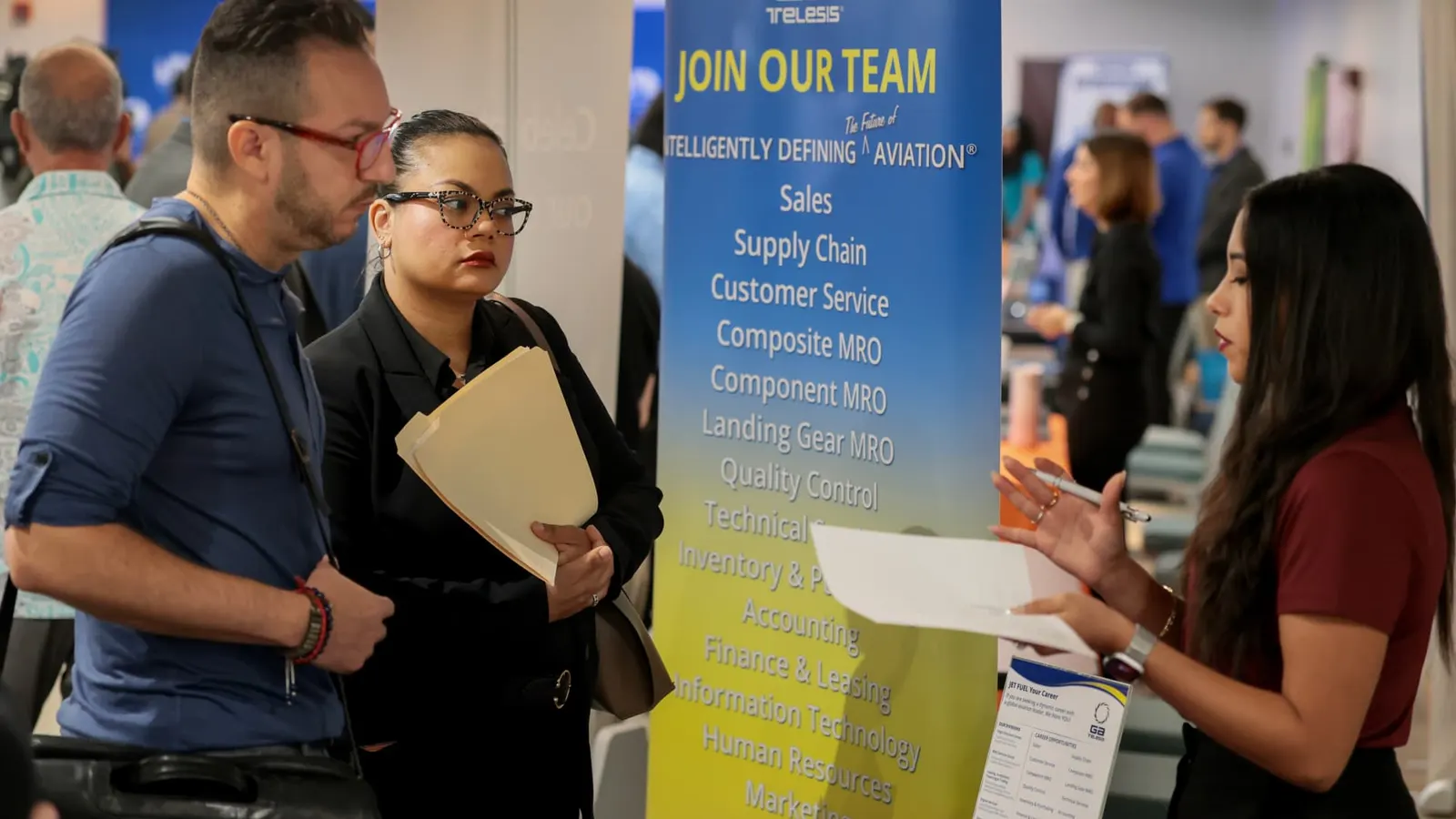
What happened: the BLS June 2026 jobs report said 4.2%, here's the rest of the story
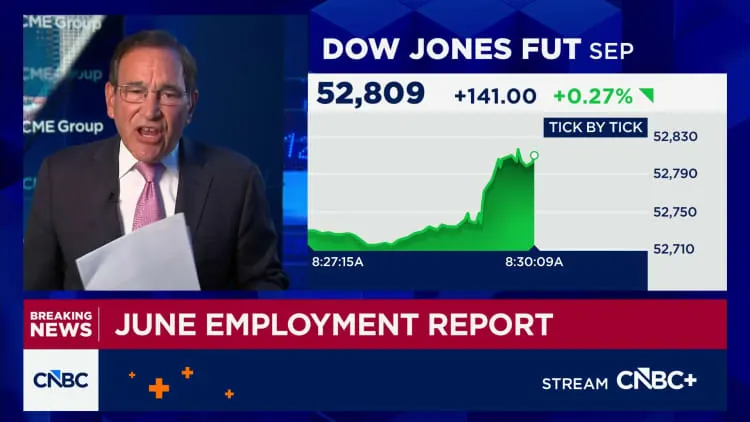
The U.S. Bureau of Labor Statistics released its June 2026 Employment Situation Report on July 3, 2026, and every major news outlet led with the same number: 4.2% unemployment. Nonfarm payrolls added just 57,000 jobs for the month, a figure so weak it barely registered in most headlines. Yet the unemployment rate fell. That contradiction is not a typo. It is the story, and understanding it could change how you approach your entire job search this summer.
What this means if you're job hunting in 2026

When the headline rate drops while job creation craters, something is structurally wrong with the labor market. In June 2026, the labor force participation rate fell 0.3 percentage points to 61.5%, the lowest it has been since March 2021 and, outside the COVID era, the lowest since June 1976. Roughly 720,000 people left the labor force entirely in a single month. They did not find jobs. They stopped looking. Because the official U-3 unemployment rate only counts people who are actively job searching, the exodus of hundreds of thousands of discouraged workers mathematically lowered the headline figure even as the market weakened.
For anyone actively searching for work right now, this is the environment you are competing in: fewer job openings, slower hiring, and a growing pool of workers who have quietly given up. That exodus temporarily inflates the headline number and masks how difficult conditions really are.
Key numbers and facts at a glance
Here is what the BLS data actually shows behind the 4.2% figure:
- 4.2%, Official U-3 unemployment rate, June 2026 (counts only those actively job searching in the past four weeks)
- 7.9%, The U-6 "real" unemployment rate in June 2026, down from 8.1% in May; includes discouraged workers and involuntary part-timers
- 57,000, Net new nonfarm payroll jobs added in June 2026 (historically, roughly 150,000 or more is needed to keep pace with population growth)
- 720,000, People who left the labor force entirely in June alone
- 507,000, Decline in household employment during the month
- 6.0 million, People not in the labor force who say they want a job but are not counted as unemployed
- 4.7 million, Workers employed part-time for economic reasons (involuntary part-timers who want full-time work)
- 499,000, Discouraged workers who stopped looking because they believe no jobs are available for them
- 83.3%, Prime-age (25 to 54) labor force participation rate, its lowest since December 2023, down 0.6 points in one month
The single most important stat for job seekers: The U-6 rate of 7.9% means nearly 1 in 12 workers who want full-time employment cannot get it. That is almost double what the 4.2% headline implies.
Which workers and job seekers feel this first
The headline rate of 4.2% is an average that obscures severe disparities. The BLS data shows unemployment is not evenly distributed:
- Teenagers: 14.6% unemployment, more than three times the national headline rate
- Black workers: 6.6%, nearly double the rate for White workers (3.6%)
- Adult men: 3.9% | Adult women: 3.7%
- Asian workers: Data showed notable divergence from the headline, consistent with concentration in tech and professional services sectors currently experiencing hiring freezes
- Prime-age workers (25 to 54): Participation dropped the most sharply month-over-month, suggesting mid-career professionals are among those withdrawing from the search
Workers in sectors that depend on consumer discretionary spending, retail, hospitality, and non-essential services are most exposed to involuntary part-time arrangements. Knowledge workers, particularly in tech, finance, and media, continue to face a freeze in full-time hiring even as contract and project-based work expands.
What employers and recruiters are doing right now
The 57,000 payroll gain in June is a red flag for recruiter behavior. For context: the U.S. economy typically needs to add approximately 100,000 to 150,000 jobs per month just to absorb new entrants into the workforce. June's number fell well short of that threshold, signaling that employers are in a net contraction posture, not a growth one.
Jeff Roach, chief economist at LPL Financial, noted it is "tough to square the shockingly low job creation in June with a lower unemployment rate," pointing directly to marginally attached workers artificially suppressing the headline rate even as conditions weaken. In practice, this translates to:
- Extended hiring timelines: Roles posted in Q1 2026 remain unfilled as companies defer decisions, not because candidates are scarce but because budget approvals are stalled
- Increased use of contract-to-hire: Employers are converting open full-time positions to contract roles to preserve flexibility, which feeds the 4.7 million involuntary part-time figure
- Selective backfilling: Attrition is being absorbed rather than replaced, shrinking headcount without formal layoffs, a trend that makes open roles increasingly competitive
The 832,000 jump in the "not in labor force" category in a single month also signals that recruiters are seeing fewer inbound applications on older postings. That could create a false sense of abundant opportunity for active searchers who apply quickly and strategically.
What you should do this week
Given what the June 2026 BLS data actually reveals, here are six concrete actions to take right now:
Stop benchmarking your search against the 4.2% headline. Use the U-6 rate of 7.9% as your mental model for competition. Your peer group is larger and more desperate than the news implies. Adjust your timeline and expectations accordingly.
Apply to roles within 48 to 72 hours of posting. With more workers re-entering from the "not in labor force" pool as circumstances change, posting windows are shorter. Early applicants face less competition before a role fills or is quietly pulled.
Target industries adding jobs, not just industries you like. June's 57,000 net gain was not evenly distributed. Healthcare, government services, and select logistics roles showed relative resilience. Research sector-level payroll breakdowns in the BLS report and align applications to where hiring is actually happening.
Negotiate for full-time terms explicitly. With employers defaulting to contract and part-time arrangements, ask directly about conversion timelines and full-time eligibility during the first interview, not after you accept an offer.
Re-engage your network before you need it. The 6.0 million people who want work but are not searching will eventually re-enter the market. Many share your professional network. Strengthen referral relationships now, before that wave arrives.
Document your active search carefully. With participation rates dropping, unemployment benefit eligibility rules may tighten. Keep a detailed log of applications, responses, and search activity to protect your eligibility if you need to file or continue a claim.
What to watch next
The next major data point is the BLS July 2026 Employment Situation Report, expected in early August 2026. A second consecutive month of sub-100,000 payroll gains would confirm a genuine labor market contraction and would likely prompt a policy response from the Federal Reserve. Watch also for the Q2 2026 Job Openings and Labor Turnover Survey (JOLTS) release, which will reveal whether the collapse in hiring reflects evaporating openings or a paralysis in the hiring decision process. Job Guide HQ will break down both reports the day they publish, with direct implications for your search strategy.
Editor's Picks
 News
News AI Layoffs 2026: Record Profits, Pink Slips & Jobs That Survive
Jul 20, 2026
 Industries
 AI & ML Engineer Jobs 2026: Salaries, Skills & How to Break In
Jul 20, 2026
 Skills
 AI Skills Non-Tech Workers Actually Need to Get Hired in 2026
Jul 20, 2026
 Job Search
 Hidden Job Market 2026: Land Roles Never Posted Online
Jul 20, 2026