
Resume
7 articles
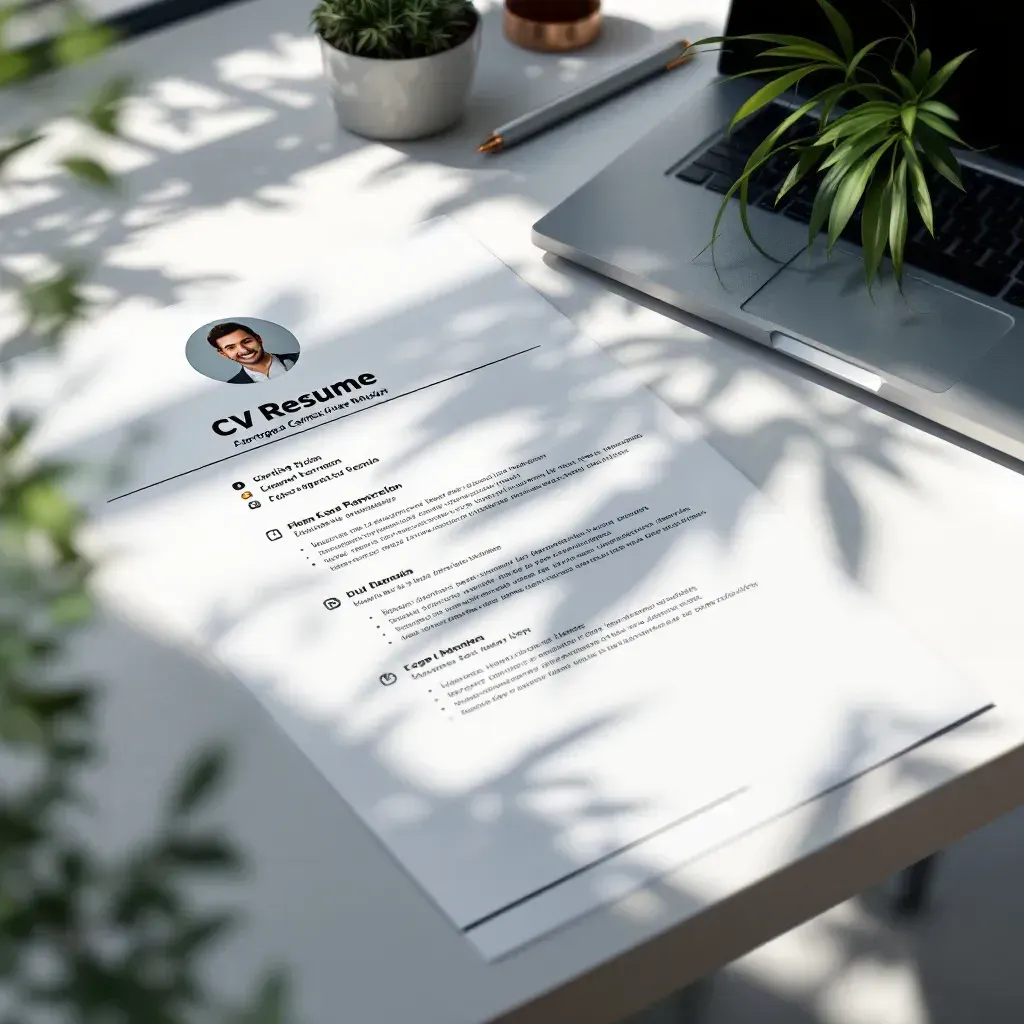 Resume
One Page vs. Two Page Resume in 2026: What the Data Says
You've probably heard the rule a hundred times: keep your resume to one page. Career counselors said it. Your university's career center put it in a handout. And for decades, candidates dutifully crammed ten years of work history into 11-point font to comply. The problem? The data no longer supports it, and in 2026, following that rule could actually be costing you callbacks. When 68.3% of HR professionals now consider a two-page resume ideal and only 21.8% still prefer one page (Novorésumé, 2025), the old one-page mandate has quietly become outdated advice that hurts well-qualified candidates.
11 min read
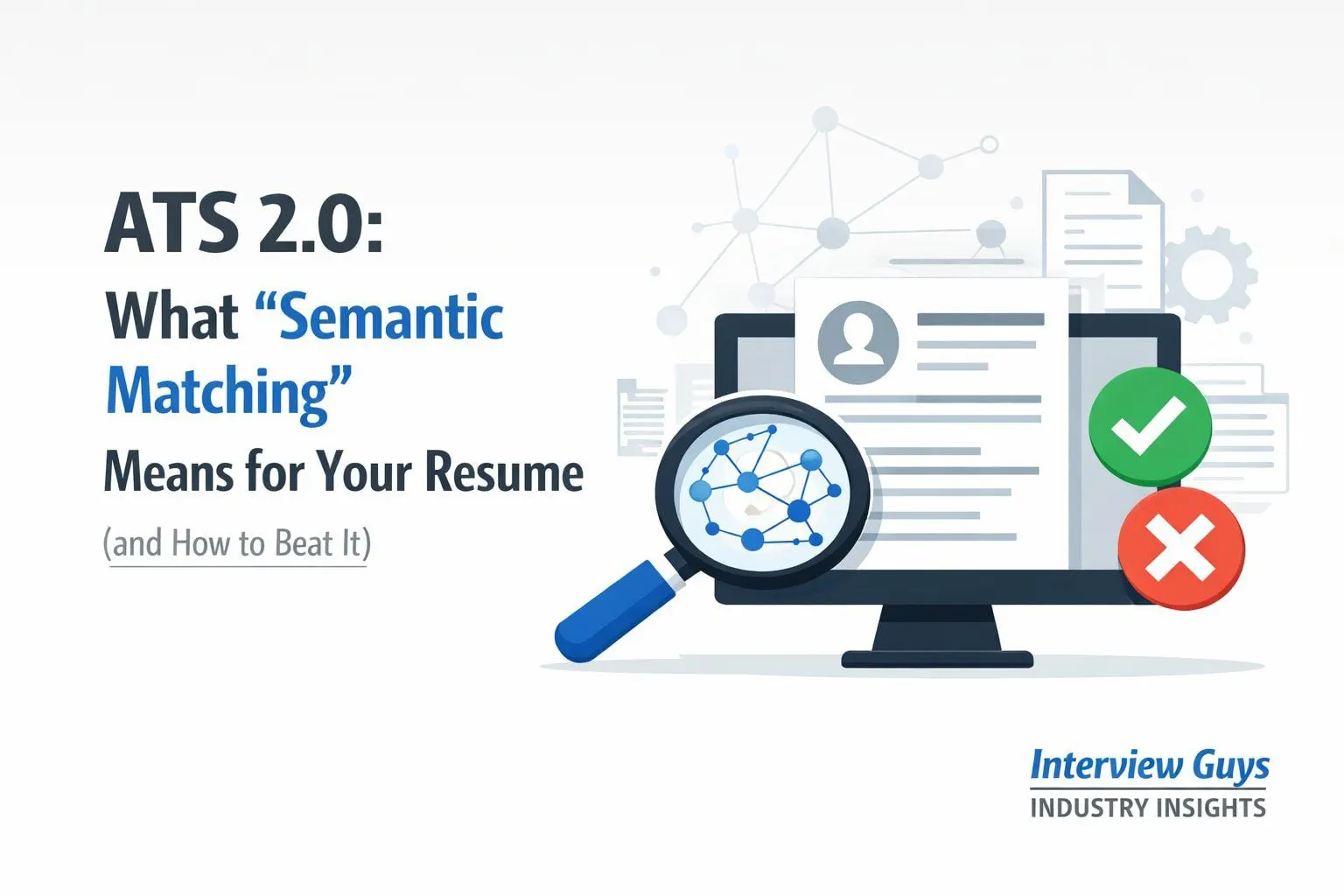 Resume
How Semantic Matching Rewrote ATS Resume Rules in 2026
You spent two hours customizing your resume. You mirrored the exact job title, sprinkled in every keyword from the posting, and formatted it cleanly. Then silence. No interview. No acknowledgment. Just an automated "We'll keep your information on file." If this sounds familiar, you are not failing at job applications. You are optimizing for a system that no longer exists. The ATS that rejected you in 2026 is not the same keyword counter that recruiters warned you about five years ago. It reads your resume the way a thoughtful human would, and it punishes the tricks that used to work.
12 min read
 Resume
 Gaps in 2026: Honest Ways to Explain Them & Get Hired
Resume gaps in 2026: honest ways to explain them & get hired
13 min read
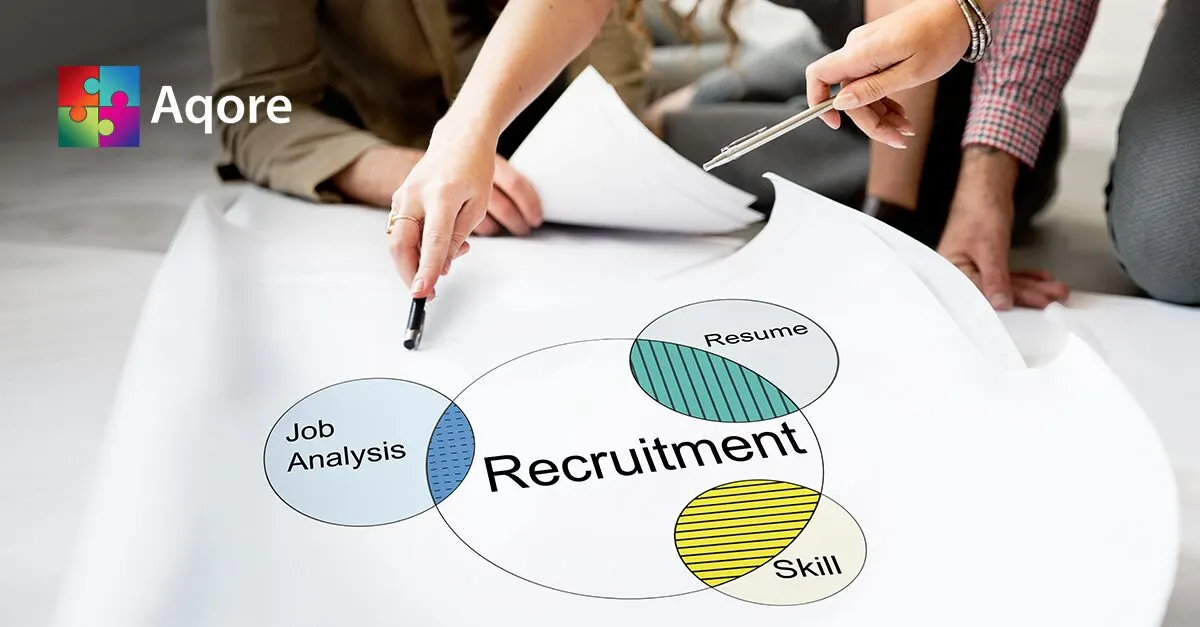 Resume
Skills-Based Resume 2026: Land a Career Change With Wrong Experience
Skills-based resume 2026: land a career change with the wrong experience
12 min read
 Resume
Beat ATS Semantic Filters in 2026: Beyond "Project Management
Beat ATS semantic filters in 2026: beyond "project management"
12 min read
 Resume
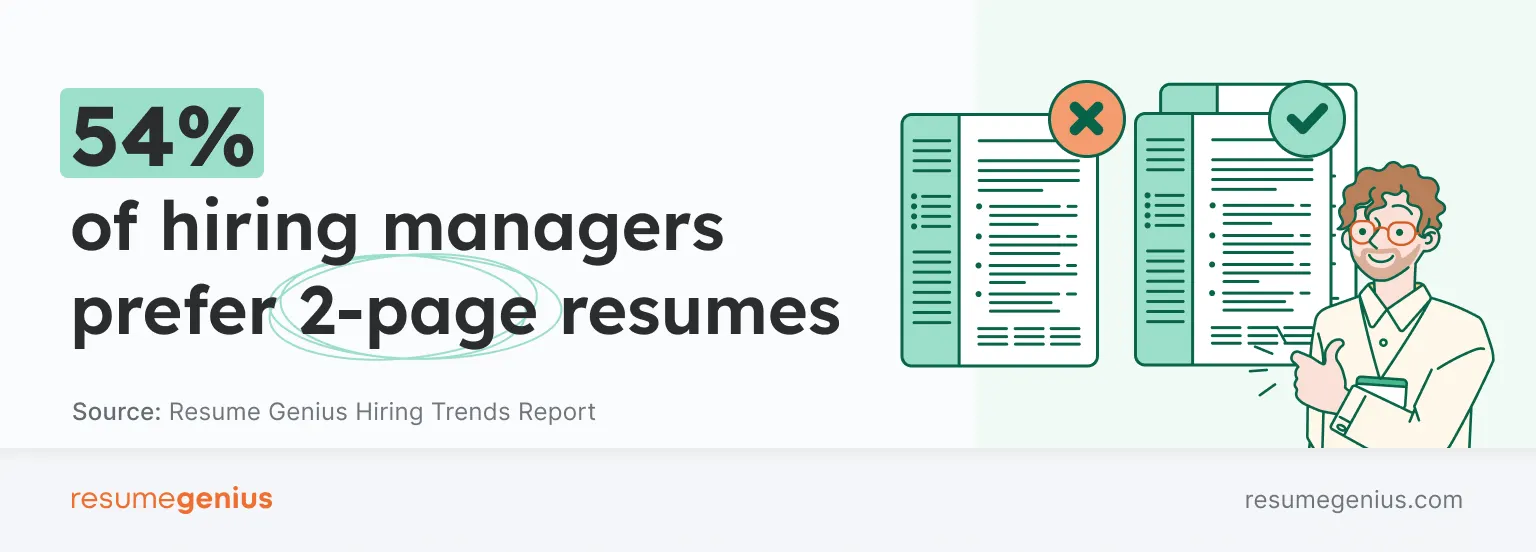
 Length in 2026: What Hiring Managers Actually Want
Resume length in 2026: What hiring managers actually want
10 min read
 Resume
AI Resume Writer 2026: Beat ATS Without Getting Flagged
You spent an hour perfecting your resume with an AI tool, hit submit on a role you're genuinely qualified for, and heard nothing. Not a rejection. Just silence. This is the defining frustration of job searching in 2026, and it has a specific cause: your resume is being filtered out before a human ever reads it. Applicant Tracking Systems (ATS) now screen candidates at nearly every company that hires at scale. According to Jobscan's 2025 audit, 97.8% of Fortune 500 companies (489 out of 500) use an ATS for talent acquisition. And it isn't just large enterprises anymore: 60% of small businesses with 1 to 50 employees now rely on ATS software too. Applications per hire have tripled since 2021, per Ashby's 2026 Talent Trends Report, which analyzed over 109 million applications. Recruiters simply cannot manually review every submission. The machine decides first.
11 min read